
Enrichment Electives (Year 10 subjects)
Enrichment Electives are designed to prepare high-achieving Year 10 students for future VCE and university subjects through CHES. These semester-length electives provide enrichment and extension beyond the school curriculum and are intended to complement, rather than replace, electives that students may be studying at their base school.
Throughout the program, students will engage with challenging content, develop skills relevant to future VCE and university study, and actively collaborate with high-achieving students from other schools across Victoria. Students in Years 7–9 may also apply; however, a discussion between their school and CHES will need to take place before their application is considered.
Each elective runs for 15 weeks across the semester and involves 2–3 hours of hy-flex learning each week. This includes a weekly online live lesson after school (3:45–4:45 pm), asynchronous learning tasks and three compulsory in-person Seminar Days at CHES. Students are expected to meet the minimum attendance requirement of 80% to successfully complete the course.
For Semester 2, 2026, the compulsory Seminar Days are scheduled for the following dates:
- Seminar Day 1: Monday, 3 August 2026
- Seminar Day 2: Friday, 16 October 2026
- Seminar Day 3: Monday, 23 November 2026

Conflict, Power and Dignity: Introduction to Classical Studies
This subject allows students to develop an understanding of the challenges that the ancient world faced and how their decisions continue to shape the world today. Students will examine the key themes of human rights, justice and war through the interpretation of classical works of literature, art and architecture..
Students will learn how to analyse ideas and techniques, compare perspectives across works and genres, and to construct evidence-based written responses.
Assessment
Students will be assessed on two research tasks, each focusing on a different aspect of life in the ancient world, and their presentation of their findings at the CHES Expo.
Pathways
This subject aligns with the Victorian Curriculum Civics and Citizenship, History, and Critical and Creative Thinking standards. It will prepare students for VCE Classical Studies.

Introduction to Algorithmics
This subject will allow students to develop their computational and analytical thinking skills, engage with solving problems using pseudocode (including an introduction to using Python for coding). Students will learn how to solve real world problems using computational methods and about different types of Abstract Data Types.
Students will create individual and group Algorithm Design Projects.
Assessment
Students will be assessed on their responses to their individual and group projects.
Pathways
This subject aligns with the Victorian Curriculum Digital Technologies standards. It will prepare students for VCE Algorithmics.

LingoLab: Unveiling the Wonders of Real-world Language
This subject is designed for students who want to know how language works in real life. Language communicates our emotions and ideas in everyday settings, not just in books and films. Therefore, our studies will focus on all things language related, from sounds to sentences, words to vocal effects, and everything in between. Using the English Language as a lens, students will also explore how language is used for creative endeavours and how its use online has promoted further linguistic change.
Students will learn about the metalinguistic tools linguists use to analyse language, write analytically and apply language features to their own creative writing
Assessment
Students will be assessed on their analysis of language in a folio of textual annotations completed throughout the elective and discussion of language
Pathways
This subject aligns with the Victorian Curriculum English standards. It will prepare students for VCE English Language.
Mathematical Investigations
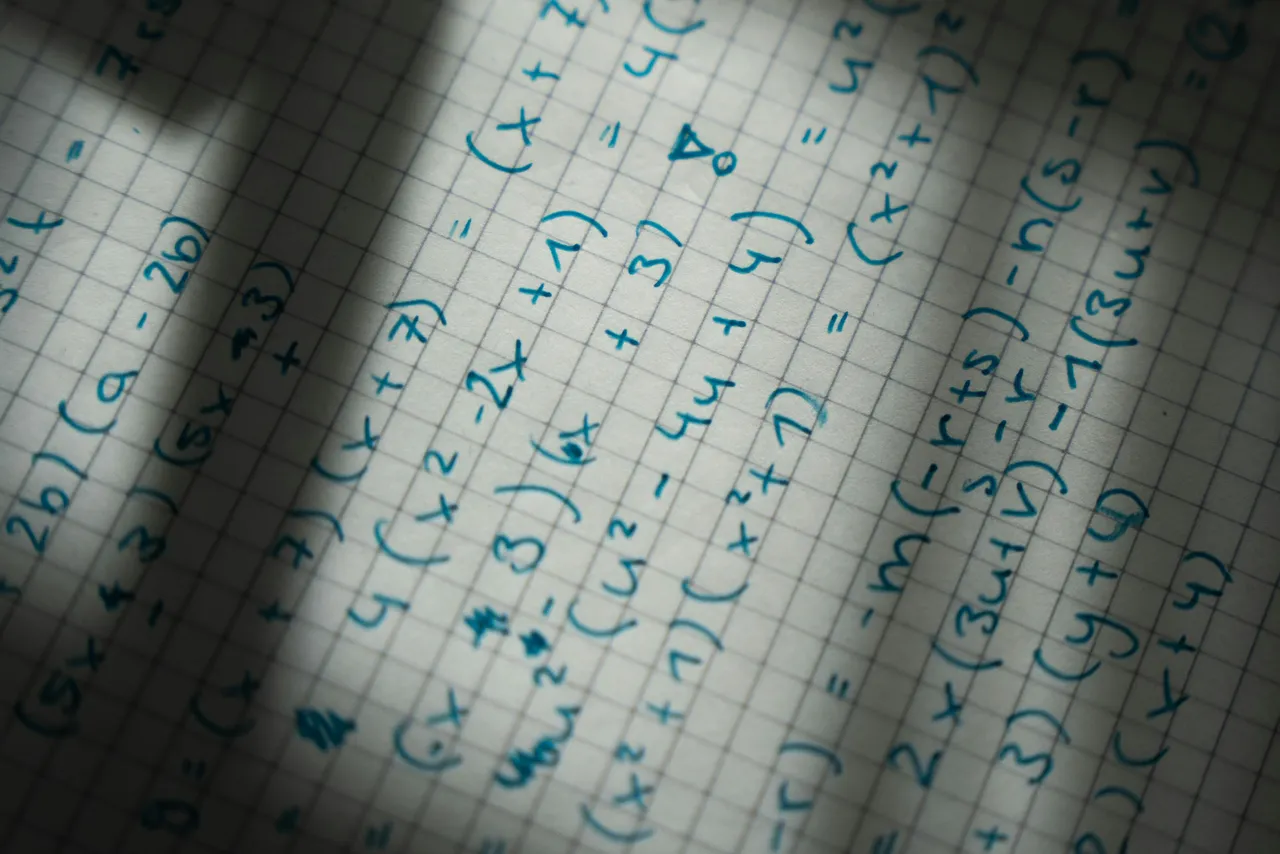
This subject is designed for students who want to explore how mathematics helps us understand and solve real-world problems. Students will investigate a wide range of mathematical ideas—from geometry and number theory to data modelling and algorithmic thinking—using reasoning, problem-solving and computational approaches. Through tasks and a final investigation project, students will reflect on what it means to think mathematically and develop a deeper appreciation for how mathematics is used to make sense of the world.
Assessment
Students will be assessed on their responses to their tasks and investigations.
Pathways
This subject aligns with the Victorian Curriculum Mathematics standards and supports students aiming for higher-level mathematical studies in VCE, such as Specialist Mathematics or Algorithmics.

Mind Over Myth: Exploring Philosophy with Critical Thinking
This subject equips students with essential critical thinking skills through the lens of philosophical inquiry. Students will explore timeless questions that lie at the heart of human existence—What is reality? What is a good life? How do we know what is right or wrong? Engaging with ideas from ancient and contemporary philosophy, students will deepen their understanding of the world and themselves.
Throughout the course, students will learn to construct logical arguments, evaluate sources and reasoning, and ask meaningful questions. They will participate in structured discussions and philosophical debates on contemporary and ethical issues, building skills in active listening, metacognition, and reasoned communication. Emphasis will be placed on applying these thinking strategies across all areas of learning.
Assessment
Students will be assessed on written responses to philosophical and critical thinking prompts, as well as impromptu and prepared debates and presentations.
Pathways
This subject aligns with the Victorian Curriculum Critical and Creative Thinking and Ethical Capability standards. It builds a foundation for VCE Extended Investigation and VCE English Language.

Planet Under Pressure: Introduction to Environmental Science
This subject allows students to understand the complexity and vulnerability of the environment and how human action affects it. Through CHES’ partnership with the Royal Botanic Gardens, students will learn fundamental fieldwork skills and how to record and interpret their findings.
Students will develop the ability to use quadrats and soil sampling techniques, then analyse their primary data to make sense of their results.
Assessment
Students will be assessed on a practical skills task and a research task, each connecting to work undertaken during the Seminar Days, and their presentation of their findings at the CHES Expo.
Pathways
This subject aligns with the Victorian Curriculum Biological Science, and Earth and Space Science. It will prepare students for VCE Environmental Science.

Research Matters
This subject gives students the opportunity to develop their knowledge and understanding of what it means to research and complete their own independent investigation into an area of their choice. Students will be taught how to navigate the wealth of information available to them, critically evaluating the resources, methods and ideas found, and applying these skills to their own research.
Students will develop their own research question, test and evaluate research methods, collect primary evidence and present their findings in an exhibition and research journal.
Assessment
Students will be assessed on their research journal, completed throughout the semester and their presentation of research at the CHES Expo.
Pathways
This subject aligns with the Victorian Curriculum Critical and Creative Thinking standards. It will prepare students for VCE Extended Investigation.

Quicklinks
CHES is located on the lands of the Wurundjeri People and we wish to acknowledge them as Traditional Owners. Our school community pays respects to their Elders, past, and present and extends this respect to Aboriginal Elders of other communities. CHES respectfully acknowledges the Traditional Custodians of Country throughout Victoria and pays respect to the ongoing living cultures of First Peoples.